

By Thomas J. Rachko, Jr.
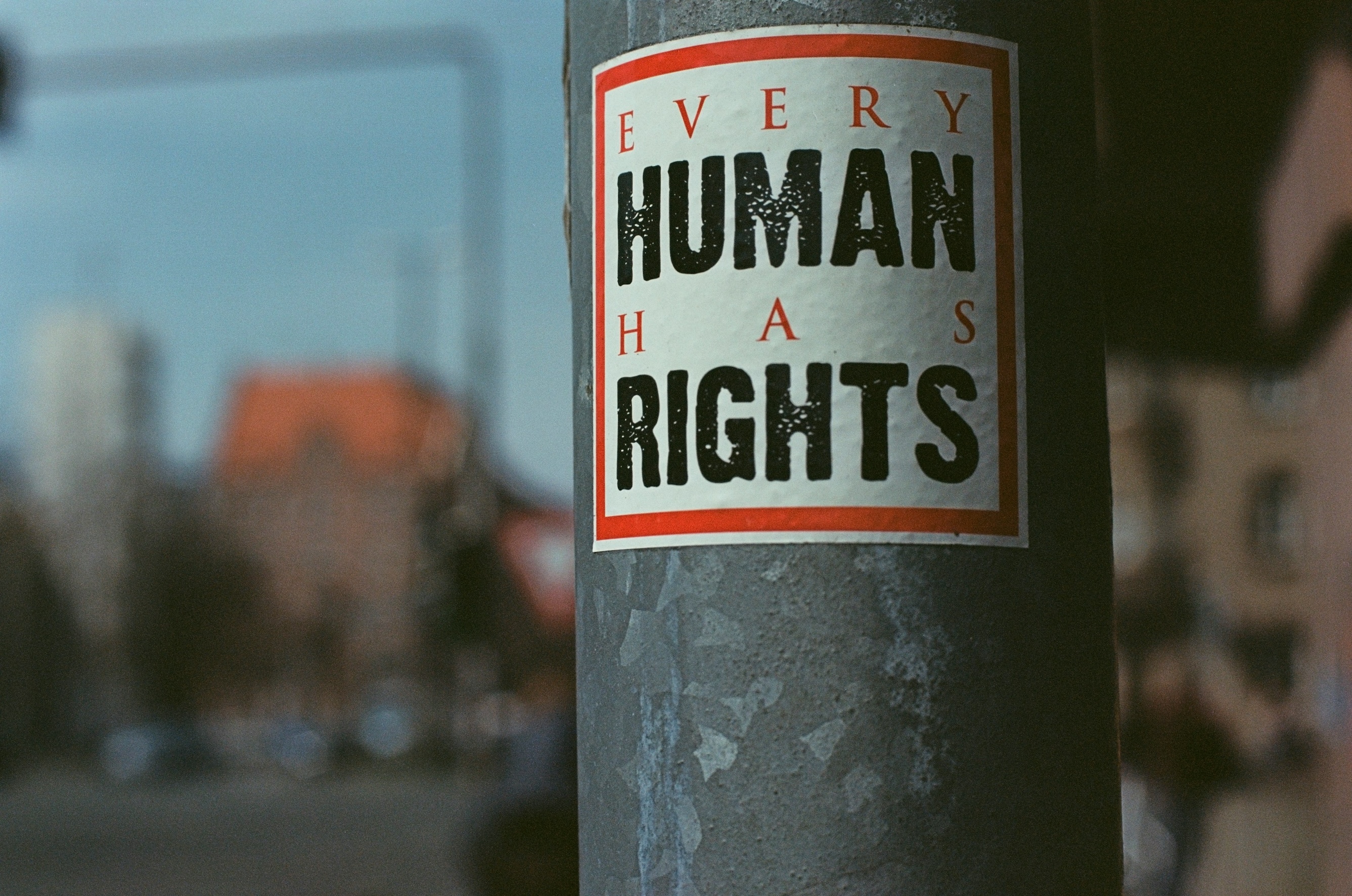
Today, on December 10th, we honor Human Rights Day — the day on which the United Nations General Assembly adopted the Universal Declaration of Human Rights in 1948.
The Universal Declaration of Human Rights (UDHR) enshrines the fundamental human rights — moral principles and norms that establish the standards of human behavior — that every human being holds, regardless of race, sex, gender, origin, or religion.
As the United Nations Office for the High Commissioner of Human Rights explains, the 30 articles of the UDHR provide the foundation for the principles of human rights. These include principles such as:
- Article 3, which states that, “Everyone has the right to life, liberty and the security of person.”
- Article 14, which articulates, “Everyone has the right to seek and to enjoy in other countries asylum from persecution.”
- Article 20, which says, “Everyone has the right to freedom of peaceful assembly and association.”
These rights are universal, meaning that everyone is equally entitled to these protections, and inalienable, meaning that they should not be taken away from individuals except in certain situations with due process.
As South African civil rights activist Nelson Mandela once said: “To deny people their human rights is to challenge their very humanity.”
In honor of Human Rights Day 2025, we asked our Cisneros Scholars and team at the Cisneros Institute: what does the term “human rights” mean to you?
“Human rights are a shared responsibility to each other to ensure all people, regardless of who you are, are deserving of and guaranteed a safe, healthy, and prosperous life. It is also a commitment to stop those who purposely impede others from having these human rights, especially when they prioritize their own interests first.”
- Rick Tzompa-Chimal, Cisneros Scholar, Class of 2028
“The term human rights mean basic freedoms that should be guaranteed to all individuals regardless of their identity. All individuals should be treated with dignity and respect no matter their religion, gender, sexuality, race, etc. These are freedoms that should not be able to be taken away by anyone and something that we as people are all entitled to. On a personal level, as a Latina, I should be treated with the same respect and afforded the same freedoms as anyone else. It is crucial that we understand that these rights are inherent to all of us and demand such in the face of challenges against them.”
- Mia Portillo, Cisneros Scholar, Class of 2028
“Human rights require active participation: voting, advocating, and protesting. Human rights are basic guarantees to dignity that we strive to afford everyone as a moral society. We, however, live in an unjust world where even the most basic things are not innate and must be fought for. If we want to secure these rights not only for ourselves but all people, we need to use our voice and power every day on behalf of those who can’t."
- Marko Sanchez, Cisneros Scholar, Class of 2027
“Human rights to me are the vital protection of rights and freedoms of all people to ensure equitable and just treatment, especially those in vulnerable populations and circumstances.”
- Annabelle Manzo, Cisneros Scholar, Class of 2025, and Program Associate, Cisneros Institute
“I define human rights as the recognition that every person deserves to be treated with unconditional respect and dignity, regardless of their background, identity, or circumstances. It extends beyond individual rights to address and challenge the social and structural inequalities that lead to discrimination.”
- Leslie Guadalupe Briseño Peña, Academic Success Graduate Fellow, Cisneros Institute
“For me, human rights present in everyday life. We are living in a time where human rights are being challenged and violated. Honoring them means turning our empathy and our life experiences into action and demanding that our dignity, fairness, and protection are our rights, not privileges guaranteed by our laws and institutions. When we choose to act in small or big ways, we help build a future where we can normalize that our human rights and justice are given and not expected.”
- Emily Portillo, Cisneros Scholar, Class of 2029
The Cisneros Institute helps participants of all ages grow into citizen scholars, ready to engage, lead and make a difference in the world, including as defenders of human rights. We envision a world where research represents all people and where leaders use research to make better, more informed decisions that respect human rights and human dignity for all. For additional resources and ideas, here are 50 ways to commemorate the UDHR: “More than 50 ideas for commemorating the Universal Declaration of Human Rights.”
Thomas J. Rachko, Jr. serves as a Translational Research Manager at the Cisneros Institute. He also serves as the Policy Lead at the Im/migrant Well-Being Scholar Collaborative. Thomas's views are his own and not necessarily reflective of the Cisneros Institute.